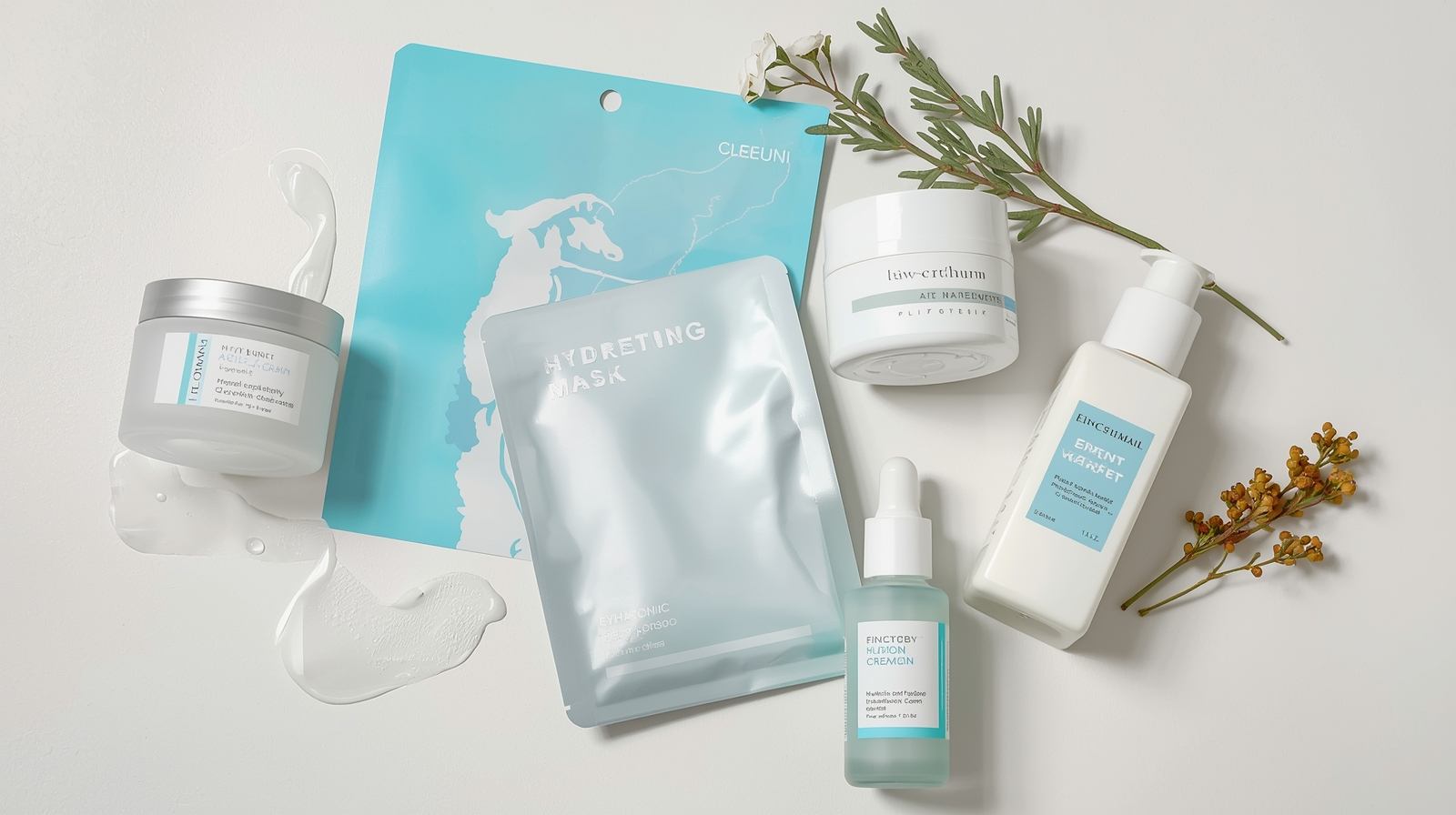
Dry skin occurs when the skin loses moisture or natural oils, leading to tightness, flakiness, and surface roughness. Causes include environmental factors, lifestyle habits, aging, or underlying health conditions. Effective treatment involves proper cleansing, hydration, barrier support, and protective measures. This guide explains the best skincare treatments for dry skin, how they work, and how to incorporate them into daily routines.
Understanding Dry Skin
Dry skin can develop due to:
Reduced sebum production – Sebaceous glands produce less oil.
Environmental factors – Cold weather, low humidity, or harsh winds.
Frequent cleansing – Over-washing removes natural oils.
Aging – Reduced oil and natural moisturizing factors in the skin.
Underlying health conditions – Eczema, hypothyroidism, or diabetes.
Treatment aims to restore moisture, strengthen the barrier, and prevent further water loss.
How to Identify Dry Skin
Signs of dry skin include:
Tightness or rough texture.
Flaking or peeling surface.
Fine lines appearing more pronounced.
Occasional redness or irritation.
Sensitivity to harsh cleansers or environmental changes.
Knowing the signs helps select appropriate treatments.
Best Skincare Treatments for Dry Skin
- Gentle Cleansing
Cleansing removes debris without stripping natural oils.
How It Works
Removes dirt, sweat, and impurities.
Preserves natural sebum and barrier function.
Prepares skin for hydration treatments.
How to Apply
Use cream-based or oil-based cleansers.
Avoid foaming or harsh cleansers with sulfates.
Massage gently on damp skin for 30–60 seconds.
Rinse with lukewarm water and pat dry.
- Hydrating Serums
Serums provide concentrated moisture and support barrier repair.
Common Ingredients
Hyaluronic acid – Retains water in the skin.
Glycerin – Attracts and holds moisture.
Panthenol – Supports barrier function.
How to Apply
Apply 2–3 drops to clean skin after cleansing.
Pat gently until absorbed.
Use morning and night for consistent hydration.
- Moisturizers
Moisturizers seal in hydration and maintain the skin barrier.
How It Works
Reduces water loss.
Supports skin surface repair.
Provides comfort and smoothness.
How to Apply
Apply after serums or hydrating treatments.
Use thicker creams for nighttime routines.
Apply morning and night consistently.
- Occlusive Treatments
Occlusive agents form a protective layer to prevent water loss.
Common Ingredients
Petrolatum, mineral oil, dimethicone.
How to Apply
Apply as the last layer in a routine.
Use on extremely dry areas or at night.
Can be combined with moisturizer for added protection.
- Exfoliation for Dry Skin
Exfoliation removes dead skin cells and improves surface texture.
How It Works
Reduces rough patches.
Promotes absorption of moisturizers.
How to Apply
Use gentle chemical exfoliants such as lactic acid or mandelic acid.
Limit to 1–2 times per week to avoid irritation.
Avoid harsh physical scrubs.
- Barrier Repair Treatments
Barrier repair treatments restore lipids and strengthen surface defense.
Common Ingredients
Ceramides, fatty acids, cholesterol.
How to Apply
Include in moisturizers or specialized creams.
Apply morning and night.
Layer under occlusive if needed for extreme dryness.
- Hydrating Masks
Masks provide targeted hydration and can be used 1–3 times per week.
How to Apply
Apply on clean skin.
Leave on for 10–20 minutes.
Pat excess serum into the skin and follow with moisturizer.
- Humidifiers and Environmental Support
Environmental factors affect skin hydration.
How It Works
Maintains moisture in indoor air.
Reduces drying effects of heaters or air conditioning.
How to Use
Use in bedrooms or workspaces, especially in winter.
Combine with topical hydration treatments.
- Sunscreen
Daily sunscreen prevents UV-induced dryness and damage.
How It Works
Protects from UVB and UVA damage.
Prevents water loss from sun exposure.
Reduces risk of surface irritation and aging.
How to Apply
Apply broad-spectrum SPF 30 or higher every morning.
Cover face, neck, and exposed areas.
Reapply every 2–3 hours during sun exposure.
- Professional Treatments
Professional treatments can support hydration and barrier repair.
Options
Hydrating chemical peels with mild AHAs.
Light therapy to reduce inflammation and surface irritation.
Microneedling combined with hydrating serums for barrier support.
How to Apply
Conducted by licensed professionals.
Follow aftercare instructions carefully.
Can complement home skincare routine.
Building a Routine for Dry Skin
Morning Routine
Gentle cleanser
Hydrating serum
Moisturizer
Sunscreen
Night Routine
Gentle cleanser
Hydrating serum
Moisturizer or occlusive layer
Optional hydrating mask 1–3 times per week
Exfoliation can be added 1–2 times per week depending on tolerance.
Layering Products Correctly
Apply from thinnest to thickest texture.
Water-based treatments first, then serums, creams, and occlusives.
Wait 1–2 minutes between layers for absorption.
Avoid layering multiple active ingredients that may cause irritation.
Adjusting for Skin Types
Oily but dry-prone areas: Use lightweight hydrating gel-serums in T-zone.
Aging dry skin: Use barrier repair creams and occlusives at night.
Sensitive dry skin: Avoid harsh exfoliants; focus on ceramides and panthenol.
Common Mistakes to Avoid
Over-washing and using harsh cleansers.
Skipping moisturizer or sunscreen.
Over-exfoliating or using strong acids too frequently.
Ignoring environmental factors like indoor heating.
Expecting immediate results.
Lifestyle Support for Dry Skin
Use humidifiers in dry environments.
Drink adequate water to support skin hydration.
Avoid long, hot showers which strip oils.
Wear protective clothing in cold or windy conditions.
Maintain a balanced diet rich in essential fatty acids.
Tracking Progress
Initial improvement in hydration: 1–2 weeks.
Surface texture improvement: 3–4 weeks.
Full barrier support and long-term dryness reduction: 8–12 weeks.
Adjust routine as needed based on skin response.
Summary of Skincare Treatments for Dry Skin
Treatment Function How to Use
Gentle cleanser Remove debris, preserve oils Daily, morning and night
Hydrating serums Provide moisture 1–2x/day
Moisturizer Seal hydration 1–2x/day
Occlusives Prevent water loss Night or extreme dryness
Gentle exfoliation Remove dead skin cells 1–2x/week
Barrier repair Strengthen skin surface Morning and night
Hydrating masks Targeted moisture 1–3x/week
Humidifier Environmental support Daily in dry environments
Sunscreen Prevent UV-induced dryness Daily, morning
Professional treatments Accelerate barrier repair Licensed professional
Final Thoughts
Dry skin requires consistent hydration, barrier support, and protection from environmental factors. Combining gentle cleansing, hydrating treatments, moisturizers, occlusives, and sunscreen ensures surface hydration and long-term barrier function. Professional treatments and environmental support enhance daily care, while lifestyle adjustments support optimal skin health. Monitoring progress and adjusting routine ensures effective management of dry skin.
