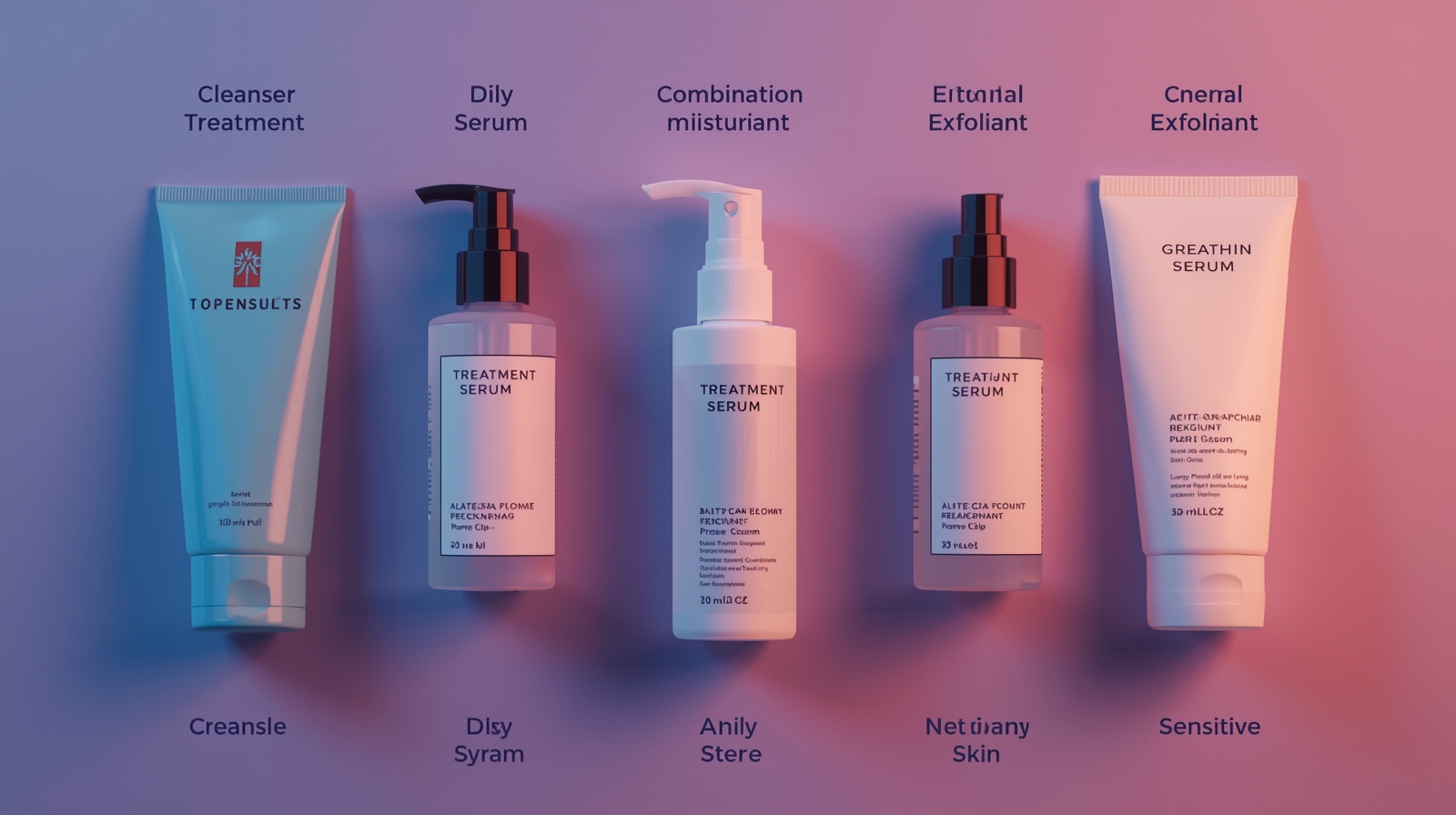
Choosing skincare products can feel confusing. Many people buy products based on ads, trends, or recommendations from others without knowing if the products match their own skin type. When skincare does not match the needs of the skin, irritation, breakouts, or imbalance often appear. The goal of this guide is to help you understand each skin type, how it behaves, and how to choose products that support balance and long-term skin health.
This article explains every skin type, how to identify your own type, the right ingredients for each type, and the routines that support healthy skin. You will also learn how to avoid mistakes and how to build a routine that works over time.
Understanding Skin Type
Every person has a specific skin type based on oil production, hydration balance, barrier strength, and sensitivity level. Skin type is influenced by genetics, climate, products, diet, and lifestyle. Understanding your skin type is the first step toward choosing the right products.
The main skin types are:
- Oily
- Dry
- Combination
- Normal
- Sensitive
Each type requires different products and routines.
How to Determine Your Skin Type
Before choosing products, identify your skin type. You can use two simple methods.
The Cleansing Method
- Wash your face with a gentle cleanser.
- Do not apply any products afterward.
- Wait one hour.
- Observe how your skin feels and looks.
If your skin:
- looks shiny in all areas → oily
- feels tight or rough → dry
- shines only in the T-zone → combination
- feels balanced → normal
- reacts with redness or discomfort → sensitive
The Blotting Paper Method
- Press blotting paper on the forehead, nose, cheeks, and chin.
- Review the oil patterns.
Patterns:
- Oil on all papers → oily
- Minimal or no oil → dry
- Oil only on forehead and nose → combination
- Light oil overall → normal
- Redness or irritation after blotting → sensitive
These two methods give a clear starting point for choosing products.
Oily Skin
Oily skin produces more sebum than needed. This leads to shine, clogged pores, and breakouts. Many people with oily skin choose harsh products that strip the skin, which triggers even more oil production.
Signs of Oily Skin
- Shine across the face
- Frequent clogged pores
- Visible surface buildup
- Makeup sliding off
What Oily Skin Needs
Oily skin needs:
- oil-control support
- light hydration
- pore-clearing ingredients
- balance instead of stripping
Oily skin does not need strong drying products. It needs stable routines that regulate oil without damage.
Best Ingredients for Oily Skin
1. Niacinamide
Helps balance oil and supports the barrier.
2. Salicylic Acid (BHA)
Cleans inside pores and helps reduce buildup.
3. Clay
Absorbs excess oil on the surface.
4. Retinoids
Support cell turnover and reduce clogged pores.
5. Hyaluronic Acid
Supplies hydration without adding weight.
Products to Avoid
- Heavy creams
- Harsh scrubs
- High-strength alcohol-based toners
- Thick occlusive oils
Ideal Routine for Oily Skin
Morning:
- Gel cleanser
- Niacinamide serum
- Light moisturizer
- Sunscreen
Night:
- Cleanser
- Salicylic acid (two or three times per week)
- Retinoid (on alternate nights)
- Light moisturizer
Dry Skin
Dry skin lacks moisture and natural oils. This leads to tightness, flaking, and discomfort. Dry skin needs hydration and barrier repair.
Signs of Dry Skin
- Tight feeling after cleansing
- Flakes or rough texture
- Small or invisible pores
What Dry Skin Needs
Dry skin needs:
- hydration
- moisture
- barrier support
- gentle cleansing
Best Ingredients for Dry Skin
1. Hyaluronic Acid
Pulls moisture into the skin.
2. Ceramides
Strengthen the barrier.
3. Squalane
Supports moisture without heaviness.
4. Glycerin
Helps retain water.
5. Lactic Acid
Provides mild exfoliation and hydration.
Products to Avoid
- Strong foaming cleansers
- Daily exfoliation
- Alcohol-based toners
Ideal Routine for Dry Skin
Morning:
- Cream cleanser
- Hydrating toner
- Hyaluronic acid serum
- Ceramide moisturizer
- Sunscreen
Night:
- Cream cleanser
- Hydrating toner
- Lactic acid (one or two times per week)
- Moisturizer with ceramides or squalane
Combination Skin
Combination skin has two different areas: oily in the T-zone and dry on the cheeks. This makes product choice difficult, because different parts need different treatment.
Signs of Combination Skin
- Shine on forehead and nose
- Dry or tight cheeks
- Breakouts only in T-zone
What Combination Skin Needs
Combination skin needs:
- balance
- targeted treatment
- light moisture
- area-specific care
Best Ingredients for Combination Skin
1. Niacinamide
Balances oil without dryness.
2. Hyaluronic Acid
Hydrates dry zones.
3. Salicylic Acid
Clears T-zone buildup.
4. Lightweight moisturizers
Support balance.
Products to Avoid
- Heavy creams
- Harsh drying products
Ideal Routine for Combination Skin
Morning:
- Gentle cleanser
- Niacinamide serum
- Light moisturizer
- Sunscreen
Night:
- Cleanser
- Salicylic acid on T-zone (two times per week)
- Hyaluronic acid on cheeks
- Moisturizer
Normal Skin
Normal skin has balanced oil and moisture levels. It rarely reacts and stays stable throughout most environments.
Signs of Normal Skin
- Balanced oil
- Minimal breakouts
- Comfortable surface
What Normal Skin Needs
Normal skin needs:
- maintenance
- balanced ingredients
- gentle routines
Best Ingredients for Normal Skin
1. Hyaluronic Acid
Hydration support.
2. Niacinamide
Barrier support.
3. Vitamin C
Brightening and protection.
4. Retinoids
Long-term anti-aging support.
Ideal Routine for Normal Skin
Morning:
- Cleanser
- Vitamin C serum
- Moisturizer
- Sunscreen
Night:
- Cleanser
- Retinoid
- Moisturizer
Sensitive Skin
Sensitive skin reacts easily to products, climate, or friction. It often shows redness, discomfort, or patchy dryness.
Signs of Sensitive Skin
- Redness
- Burning sensation
- Irritation with new products
What Sensitive Skin Needs
Sensitive skin needs:
- gentle routines
- simple ingredients
- barrier support
Best Ingredients for Sensitive Skin
1. Ceramides
Support the barrier.
2. Hyaluronic Acid
Hydration without irritation.
3. Centella Asiatica
Soothing support.
4. Niacinamide
Barrier strengthening.
Products to Avoid
- Fragranced products
- Harsh acids
- Strong retinoids
- Scrubs
Ideal Routine for Sensitive Skin
Morning:
- Gentle cleanser
- Hydrating toner
- Ceramide moisturizer
- Sunscreen
Night:
- Cleanser
- Hyaluronic acid serum
- Ceramide moisturizer
Key Factors to Consider When Choosing Skincare Products
Even after knowing your skin type, several factors influence product choice.
1. Climate
Hot climates may increase oil production. Cold climates may increase dryness. Adjust products based on weather shifts.
2. Age
Oil production decreases with age. Older skin needs:
- hydration
- collagen-supporting ingredients
- sun protection
3. Lifestyle
Diet, sleep, and stress influence skin behavior. These factors affect oil production, breakouts, and hydration.
4. Ingredients
Ingredients matter more than brand names. Always review ingredient lists and avoid products with irritants if your skin is sensitive.
5. Existing Skin Concerns
Acne, hyperpigmentation, and aging signs may require special ingredients like:
- retinoids
- vitamin C
- AHAs
- BHAs
How to Read Ingredient Labels
Understanding ingredients helps you make informed choices. Here is how to read labels.
Active Ingredients
These are the ingredients that do the main work, such as:
- retinoids
- niacinamide
- vitamin C
- hyaluronic acid
They appear near the top of the list.
Inactive Ingredients
These support texture, stability, and absorption:
- water
- glycerin
- emulsifiers
Fragrance
Fragrance can irritate sensitive skin. Avoid if you react easily.
Strength Levels
Acids, retinoids, and vitamin C come in different strengths. Start low and build slowly.
How to Build a Routine Based on Skin Type
A skincare routine must be structured and simple. A routine built for your skin type helps your skin stay balanced.
Basic Routine for All Skin Types
Morning:
- Cleanser
- Serum
- Moisturizer
- Sunscreen
Night:
- Cleanser
- Treatment
- Moisturizer
This structure works for any skin type when you select the right products.
How to Introduce New Products
Many people experience irritation because they introduce new products too fast.
Steps:
- Introduce one product at a time.
- Wait two weeks before adding another.
- Patch test on the inner arm first.
- Watch for delayed reactions.
Slow introduction prevents confusion and helps you understand which products work.
Common Mistakes When Choosing Skincare Products
Avoid these mistakes to protect your skin.
Mistakes:
- Buying products without knowing your skin type
- Choosing products based on trends
- Using too many actives
- Switching products too quickly
- Ignoring ingredient lists
Correcting these mistakes leads to better results.
How to Adjust Your Routine Over Time
Skin changes due to:
- age
- climate
- hormones
- stress
- diet
Update your routine when changes appear. For example:
- Use lighter products in the summer.
- Use richer products in cold seasons.
- Add retinoids as you age.
Ingredient Guide by Skin Type
This section organizes key ingredients for each skin type.
Oily Skin
- Niacinamide
- Salicylic acid
- Clay
- Retinoids
- Hyaluronic acid
Dry Skin
- Hyaluronic acid
- Ceramides
- Squalane
- Glycerin
- Lactic acid
Combination Skin
- Niacinamide
- Hyaluronic acid
- Salicylic acid
Normal Skin
- Vitamin C
- Hyaluronic acid
- Retinoids
- Niacinamide
Sensitive Skin
- Ceramides
- Hyaluronic acid
- Centella
- Glycerin
When to See a Dermatologist
See a dermatologist if you experience:
- severe breakouts
- sudden sensitivity
- persistent irritation
- unexplained redness
- symptoms not improving after routine changes
A dermatologist can offer stronger treatments or specific product guidance.
How Consistency Affects Results
Skincare does not work overnight. The skin needs time to adjust.
General timelines:
- Hydration: immediate to one week
- Tone improvement: four to eight weeks
- Breakout control: four to twelve weeks
- Anti-aging changes: three to six months
Consistency matters more than speed.
Final Thoughts
Choosing the right skincare products begins with knowing your skin type and understanding the needs of your skin. When you choose products based on your skin type, you support balance, clarity, and long-term skin health. A simple and steady routine, built with the right ingredients, works better than random product use. Trust gradual progress and stay consistent.
