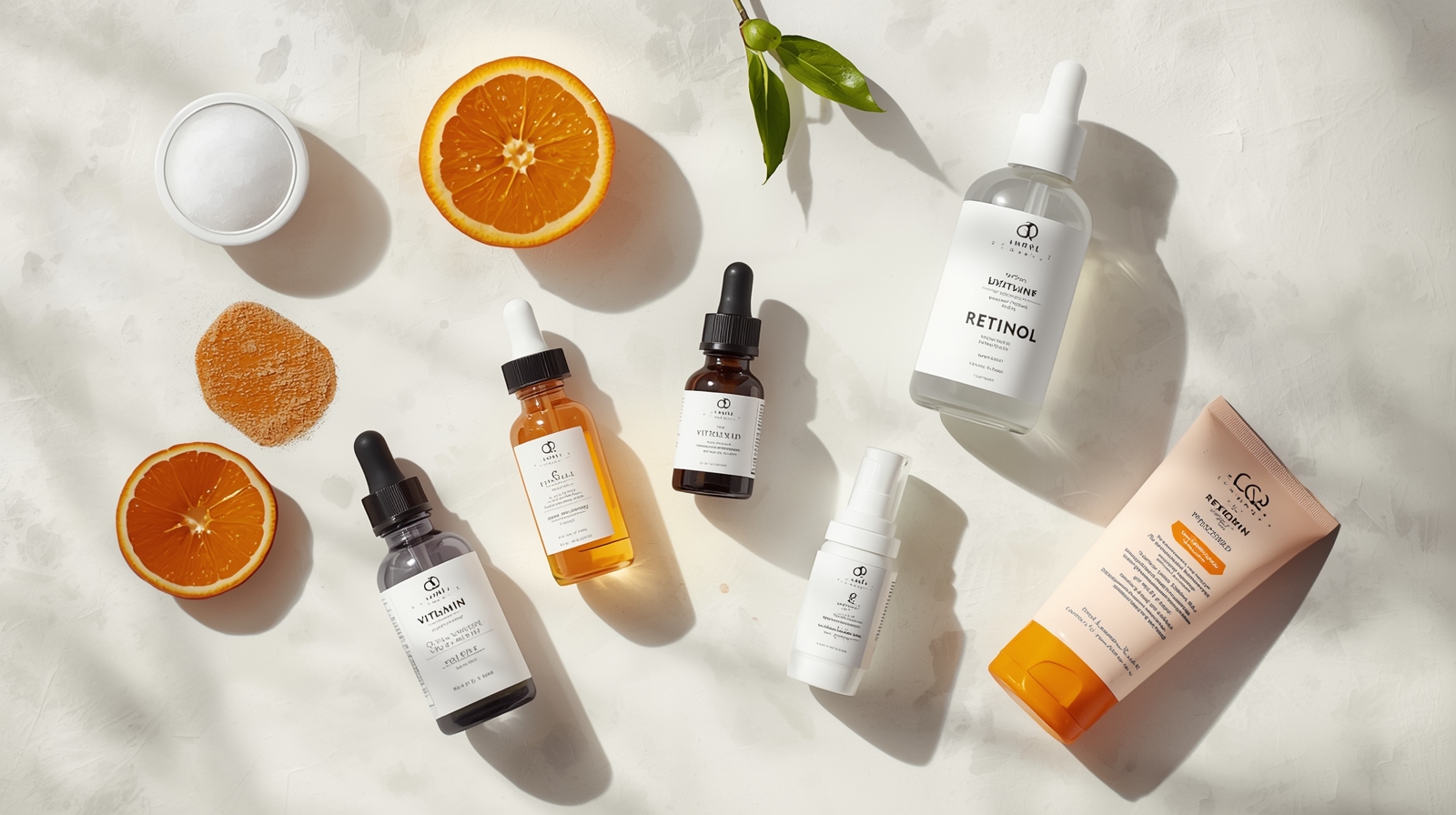
Anti-aging skincare continues to change as research evolves. Many products appear on the market every year, but dermatologists continue to rely on core ingredients that support long-term skin health. This article explains the most trusted anti-aging ingredients, how they work, how to use them, and how to build a routine that supports long-term skin strength and balance. Each ingredient in this guide is supported by clinical research and daily dermatology practice.
Anti-aging skincare focuses on protection, repair, and support. The skin loses firmness, moisture, and barrier strength over time. Environmental stress, sunlight, and internal changes influence how the skin ages. With proper ingredients and consistent use, many signs of aging can slow down.
This article explores each ingredient in detail and explains how dermatologists recommend using them.
Why Anti-Aging Skincare Matters
As the body changes, the skin loses elasticity, hydration, and natural oil balance. Fine lines, uneven surface texture, and dark spots develop slowly. Many people begin anti-aging care only after visible concerns appear. Dermatologists recommend early use of core ingredients because prevention supports the skin more effectively than late treatment.
Anti-aging skincare helps:
- support collagen
- protect the skin barrier
- restore moisture balance
- reduce the impact of environmental stress
- improve the appearance of fine lines
The skin responds with steady improvement when given consistent care.
Core Anti-Aging Ingredients Backed by Dermatologists
Dermatologists rely on proven ingredients that support renewal, collagen production, and barrier strength. The following ingredients are among the most effective for anti-aging.
1. Retinoids (Retinol, Retinal, Tretinoin)
Retinoids are the most researched anti-aging ingredients. Dermatologists often consider them the foundation of anti-aging skincare. Retinoids support cell turnover, stimulate collagen production, and help reduce fine lines, uneven tone, and surface roughness.
Retinoids include:
- Retinol
- Retinaldehyde
- Retinoic acid (tretinoin)
- Adapalene
Each version works through the same pathway but varies in strength.
How Retinoids Work
Retinoids increase cell turnover, which encourages newer cells to rise to the surface. This process supports smoother skin, reduces clogged pores, and helps with pigment issues. Retinoids also influence collagen production in the deeper layers of the skin.
How to Use Retinoids
Dermatologists recommend slow introduction:
- Apply two nights per week
- Increase frequency gradually
- Avoid combining with strong exfoliants
- Use a moisturizer after application
- Use sunscreen daily
Retinoids are highly effective but require consistent use.
2. Vitamin C (L-Ascorbic Acid and Derivatives)
Vitamin C supports collagen production and helps reduce dark spots and uneven tone. It also protects the skin from environmental stress. Dermatologists often recommend vitamin C for morning use before sunscreen.
Forms of vitamin C:
- L-ascorbic acid
- Sodium ascorbyl phosphate
- Magnesium ascorbyl phosphate
- Ascorbyl glucoside
- Tetrahexyldecyl ascorbate
Each has different stability levels and absorption paths.
How Vitamin C Works
Vitamin C neutralizes free radicals caused by UV rays and pollution. These free radicals break down collagen and accelerate aging. Vitamin C also supports the skin’s natural repair processes.
How to Use Vitamin C
Dermatologists suggest:
- Use in the morning
- Pair with sunscreen
- Avoid mixing with strong exfoliants
- Apply on clean skin before moisturizer
Vitamin C is most effective with consistent daily use.
3. Hyaluronic Acid
Hyaluronic acid supports hydration by binding water to the skin. As the skin ages, natural hyaluronic acid levels decrease, leading to dryness and fine lines. Applying hyaluronic acid helps restore moisture and gives the skin a smoother appearance.
How Hyaluronic Acid Works
Hyaluronic acid pulls water from the environment or deeper layers of the skin to the surface. This improves moisture balance, which reduces the appearance of fine lines.
How to Use Hyaluronic Acid
Dermatologists recommend:
- Apply on damp skin
- Follow with moisturizer
- Use morning and night
Hyaluronic acid works well with nearly all other ingredients.
4. Niacinamide
Niacinamide supports the skin barrier, improves tone, and reduces the impact of environmental stress. Dermatologists often recommend it because it works well with almost all other skincare ingredients.
How Niacinamide Works
Niacinamide:
- reduces redness
- supports oil balance
- strengthens the barrier
- helps with fine lines
- reduces the appearance of pores
It also stabilizes the skin when using strong actives like retinoids.
How to Use Niacinamide
Use niacinamide:
- once or twice per day
- before moisturizer
- alongside other treatments like retinoids
Niacinamide is gentle and suitable for long-term use.
5. Peptides
Peptides are chains of amino acids that support collagen and elastin. As the skin ages, collagen levels decline. Peptides send signals that promote repair and rebuilding.
How Peptides Work
Peptides increase communication within skin cells. Some peptides stimulate collagen, while others help reduce the appearance of fine lines or support the skin barrier.
Common types:
- Signal peptides
- Carrier peptides
- Enzyme-inhibitor peptides
- Neurotransmitter peptides
How to Use Peptides
Dermatologists recommend:
- Use morning or night
- Combine with moisturizers
- Avoid pairing with strong acids
Peptides require ongoing use for long-term results.
6. Alpha Hydroxy Acids (AHAs)
AHAs include glycolic acid, lactic acid, and mandelic acid. They support exfoliation and improve the appearance of fine lines. AHAs remove dead skin cells from the surface and help smooth uneven texture.
How AHAs Work
AHAs break the bonds between dead skin cells. This allows new cells to appear on the surface. Over time, this supports smoother skin and improves brightness.
How to Use AHAs
Dermatologists suggest:
- Use one to three times per week
- Avoid combining with retinoids on the same night
- Use sunscreen because AHAs increase sun sensitivity
Start slowly to avoid irritation.
7. Beta Hydroxy Acids (BHAs)
The most common BHA is salicylic acid. BHAs clean inside pores, reduce buildup, and help improve texture. BHAs are helpful for aging skin that also experiences clogged pores or breakouts.
How BHAs Work
BHAs dissolve oil and penetrate the pores. This reduces buildup and supports clearer skin.
How to Use BHAs
Dermatologists advise:
- Use one to three times per week
- Avoid mixing with strong exfoliants
- Use sunscreen during the day
BHAs help maintain long-term clarity.
8. Ceramides
Ceramides are lipids that make up the skin barrier. As the skin ages, natural ceramide levels decline. Low ceramide levels increase dryness and sensitivity.
How Ceramides Work
Ceramides fill spaces between skin cells, creating a seal that locks in moisture. A strong barrier protects the skin from environmental stress.
How to Use Ceramides
Use ceramides:
- in moisturizers
- morning and night
- as a pairing with active treatments like retinoids
Ceramides support the repair process when using strong ingredients.
9. Sunscreen Ingredients (Zinc Oxide, Titanium Dioxide, Chemical UV Filters)
Dermatologists view sunscreen as the most important anti-aging step. UV rays accelerate skin aging and cause long-term damage. Sunscreen ingredients either reflect or absorb UV rays.
Types:
- Mineral filters: zinc oxide, titanium dioxide
- Chemical filters: avobenzone, octocrylene, homosalate, octinoxate
How Sunscreen Ingredients Work
Sunscreen filters absorb or reflect UV rays before they reach deeper skin layers. This protects collagen and prevents sun-induced aging.
How to Use Sunscreen
Dermatologists recommend:
- Apply daily
- Use indoors and outdoors
- Reapply every few hours when outside
Without sunscreen, other anti-aging ingredients cannot reach full potential.
10. Coenzyme Q10 (CoQ10)
CoQ10 supports skin repair and protects from environmental stress. Its levels decrease as the body ages.
How CoQ10 Works
CoQ10 helps neutralize free radicals and supports collagen. Dermatologists consider it a supporting ingredient rather than a primary treatment.
How to Use CoQ10
Use CoQ10:
- morning under sunscreen
- paired with moisturizers
Consistency leads to gradual improvement.
11. Alpha-Lipoic Acid
Alpha-lipoic acid supports antioxidant protection and may improve the appearance of aging over time.
How It Works
It helps reduce free radical impact and supports cell energy.
How to Use It
Dermatologists suggest introducing it slowly and avoiding mix with strong acids.
12. Growth Factors
Growth factors support repair, collagen production, and cell communication. These ingredients appear in high-end anti-aging creams and serums.
How Growth Factors Work
Growth factors send signals that guide the repair process. They support new cell formation and improve long-term skin resilience.
How to Use Growth Factors
Use them:
- at night
- after cleansing
- with moisturizer
They complement retinoids and peptides well.
How Dermatologists Build an Anti-Aging Routine
A functional routine includes protection in the morning and repair at night.
Morning Routine
- Cleanser
- Vitamin C serum
- Moisturizer
- Sunscreen
Night Routine
- Cleanser
- Retinoid or peptide serum
- Moisturizer with ceramides or hyaluronic acid
Exfoliation (AHA or BHA):
- one to three times per week
This structure keeps the skin balanced.
How to Introduce Anti-Aging Ingredients Safely
Dermatologists recommend:
- Start slow
- Use one active ingredient at a time
- Wait two weeks before adding another
- Use sunscreen daily
- Avoid harsh combinations
Slow introduction prevents irritation and supports long-term progress.
Common Mistakes When Using Anti-Aging Ingredients
- Using too many actives at once
- Combining retinoids with strong acids
- Using high-strength products without experience
- Skipping sunscreen
- Expecting fast results
- Over-exfoliating
- Neglecting moisturizer
Avoiding these mistakes supports steady improvement.
How Long It Takes to See Results
Dermatologists note the following timelines:
- Vitamin C: 6 to 12 weeks
- Retinoids: 12 to 24 weeks
- Peptides: 8 to 12 weeks
- AHAs/BHAs: 4 to 8 weeks
- Ceramides: 2 to 4 weeks
Anti-aging skincare requires consistent use.
Lifestyle Factors That Influence Aging
Skincare ingredients work best when paired with healthy daily habits.
Key factors:
- Sun exposure
- Sleep
- Hydration
- Stress
- Nutrition
- Smoking
- Alcohol use
Dermatologists emphasize sun protection and steady sleep as top priorities.
Creating a Sustainable Anti-Aging Plan
A sustainable routine must be:
- simple
- structured
- consistent
- long-term
- protective
Stick to core ingredients and avoid frequent changes. Track progress monthly.
